
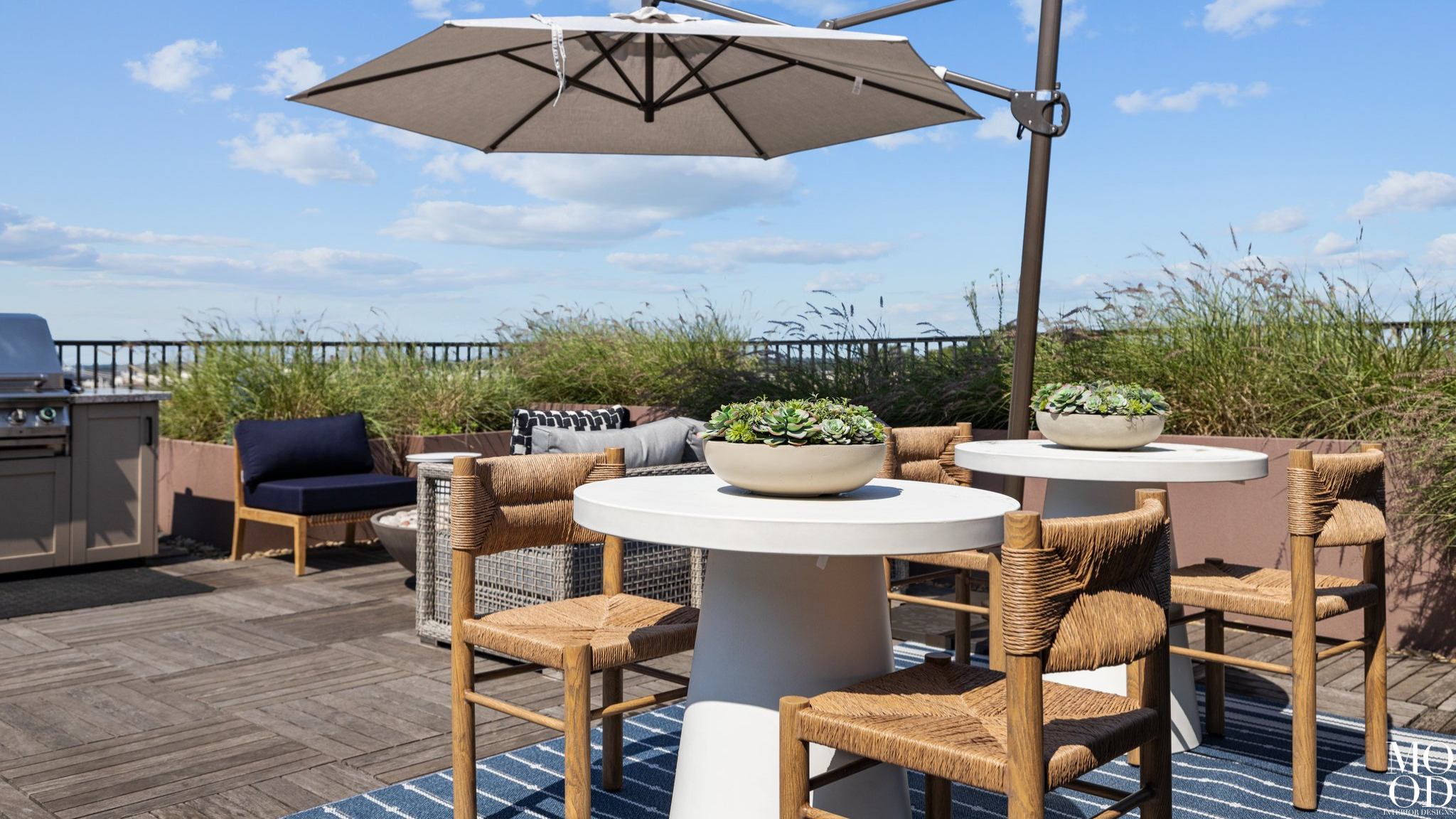
January doesn’t feel like outdoor season. Pools are covered, courtyards are quiet, and most teams are focused inward. But from a design, procurement, and operations standpoint, this is exactly when the strongest outdoor amenity upgrades begin.
Outdoor spaces have evolved into true shared amenities, functioning much like leasing offices, lobbies, and clubhouses. They are no longer extra features; they are extensions of how residents live, gather, and experience a property. Understanding how to design outdoor living spaces for multifamily and student housing starts with treating them with the same level of intention as any interior amenity.
Industry data continues to show that well-designed outdoor environments influence leasing decisions, perceived value, and resident satisfaction. In student housing, outdoor areas support connection, wellness, and flexible social space. In multifamily communities, they often become the most photographed and toured amenities on the property. The challenge is that outdoor upgrades don’t move on interior timelines.
One of the biggest reasons January matters is FF&E lead time. Commercial outdoor furniture is rarely quick-ship. Many manufacturers run production schedules that stretch eight to twelve weeks or longer, especially for coordinated collections like pool loungers, umbrellas, and lounge seating. Add freight transit, delivery coordination, and on-site staging, and timelines compress quickly. Starting planning in January creates breathing room before spring demand spikes.
Early planning also allows for smarter installation windows. Once warmer weather arrives, outdoor spaces are in constant use. Closing a pool deck or courtyard in May or June can be disruptive and highly visible to residents. Winter planning gives teams the flexibility to receive product early and install before outdoor areas become daily destinations.
Budget clarity is another advantage of planning now. Outdoor scopes often grow unexpectedly when details are rushed. Items like umbrella bases, protective covers, furniture glides, storage solutions, and outdoor-rated accessories are easy to overlook until late in the process. January is the time to see the full picture and make informed tradeoffs rather than reacting under pressure.
Strong outdoor living spaces design also prioritizes performance, not just appearance. Outdoor furniture works harder than interior pieces. It’s exposed to UV, moisture, chlorine, heavy traffic, and frequent rearranging. Taking time early allows teams to evaluate durability, replacement strategy, and long-term maintenance, factors that directly affect operating budgets.
When budgets are tight, focusing your spend in the right places makes the biggest impact. Across multifamily and student housing projects, a few key categories consistently deliver the most value:
- Pool loungers: Often the most visible upgrade, they define the pool deck and immediately elevate the space
- Shade solutions: Umbrellas with proper commercial bases or integrated shade structures significantly increase dwell time
- In-pool loungers or tanning ledge furniture: Where permitted, these have become high-impact signature features
- Lounge seating groupings: Sectionals and conversational layouts create outdoor “living rooms” that support daily use
- Dining-height furniture near grills or clubhouses: These extend the functionality of adjacent amenities and encourage regular engagement
Supporting elements matter too. Side tables, planters, outdoor lighting, and accessories are often what transform a furnished area into a designed environment. These details are easiest to plan when there’s time to think holistically rather than rushing to fill space.
January doesn’t require final decisions, but it is the right moment to define intent. Establishing a clear concept, budget range, and procurement timeline now puts teams in control later, when lead times tighten and outdoor season approaches faster than expected.
For teams who know their outdoor spaces need improvement but aren’t sure where to begin, working with an experienced outdoor living space designer can provide immediate clarity. A commercial design partner understands how layout, furniture, materials, and procurement intersect with operations, maintenance, and resident experience.
Looking for outdoor living space designers near you?
Proximity can be helpful, but experience is more important. Developers and property managers should look for designers who understand multifamily and student housing environments, commercial-grade products, FF&E lead times, and installation coordination. Outdoor spaces succeed when they are designed as programmed amenities, not decorative afterthoughts.
If you’re ready to reimagine or conceptualize your outdoor amenity spaces, Mood Design Advisory offers a focused starting point. In a 45-minute working session, our designers help you clarify priorities, explore layout and furniture strategies, and define next steps, whether you’re planning a targeted refresh or setting the foundation for a larger outdoor upgrade.
