
Last weekend, I joined an online meditation led by someone sitting in Lisbon, Portugal. When I looked at the participant count, it said just under 5,000 people were in attendance. Five thousand of us, from every time zone, on a Zoom call, sitting quietly together in the same moment.
I’ve been thinking about that number ever since, not because it’s impressive, though it is, but because of how it felt. It didn’t feel like five thousand strangers half-listening in the background of their day. It felt like being in a room. A very large, very scattered, very real room.
That feeling isn’t new to me, actually. I run a fully remote company, spread across countries and time zones, and we’re intentional about staying close – cameras on, sharing our sense of humor, our family trips, our celebrations, and sometimes our hard days, right there in Slack. I’m also part of a women’s spiritual group that gathers online every single morning. Somewhere between 150 and 200 of us, learning from each other, inspiring each other, holding each other up. Once a year, some fly into Chicago and gather together in person for a few hours laughing, eating, connecting. The rest of the year, we never lose that thread.
I don’t think any of this makes me unusual. I think it makes me a pretty accurate snapshot of where a lot of us are right now.
We’re not actually against the digital world. We’re against being alone in it.
The statistics on loneliness right now are hard to look away from. The World Health Organization estimates that roughly 1 in 6 people worldwide are affected by loneliness. In the U.S., the Surgeon General has called it a national epidemic, noting that a lack of social connection carries health risks comparable to smoking daily (man, I used to love to smoke – but my asthmatic lungs hated it). And in one national survey, nearly three out of five Americans said no one truly knows them. Yeesh.
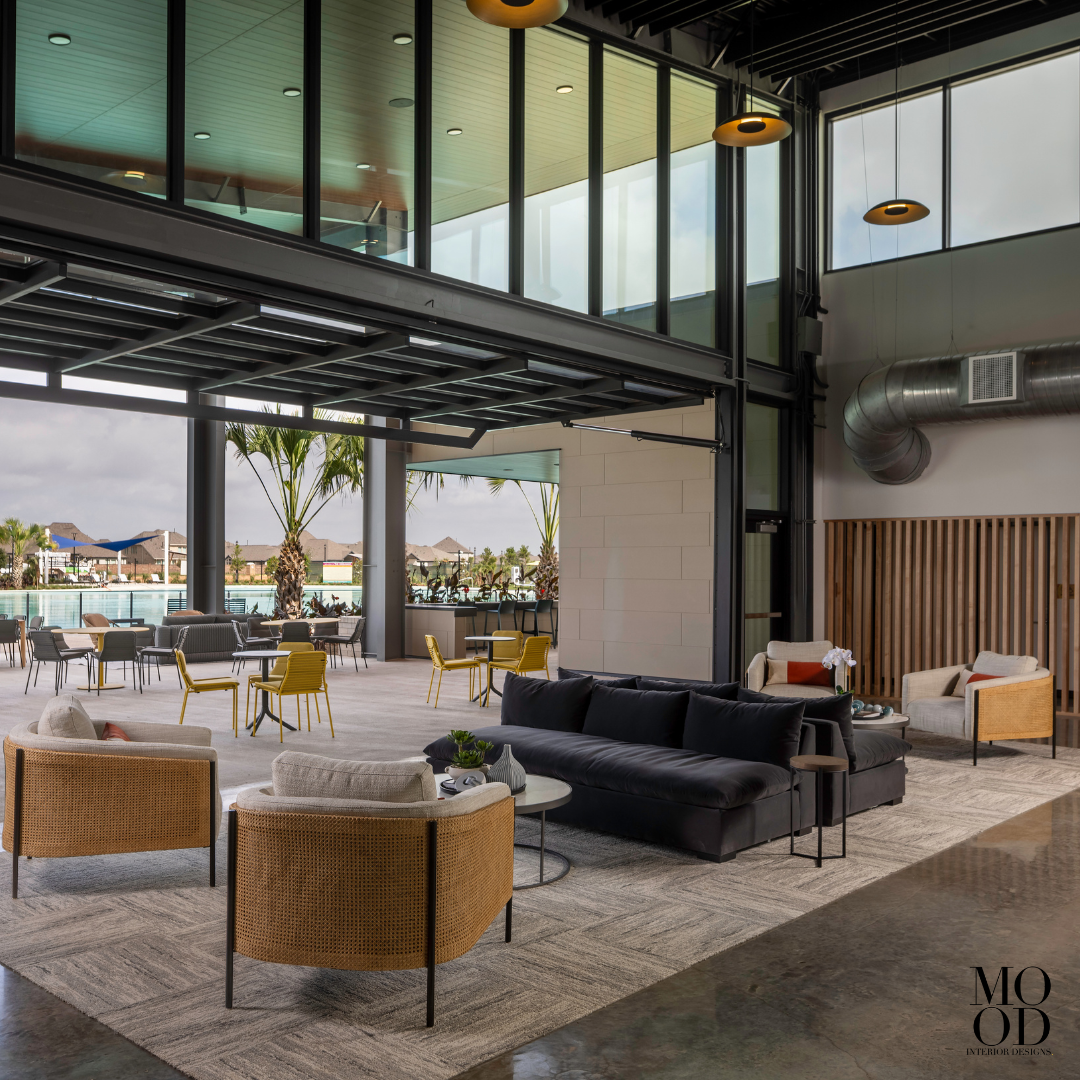
Researchers have started naming what’s happening in response. In 2026, there’s a term circulating for a cultural shift they’re calling “friction-maxxing” – a deliberate turn away from the smooth, low-effort, endlessly scrollable version of digital life, back toward things that require us to actually show up. It’s often tied to something else researchers point to: the quiet disappearance of “third places” like the cafés, clubs, places of worship, and community spaces that used to produce connection almost by accident, just by existing.
I understand the instinct behind that shift. But I don’t think the answer is to reject the digital world. My own life is proof that a screen isn’t the problem. What I’ve noticed, in my own experience and in the research, is more specific than that: it’s not screens that leave us lonely, it’s passive ones. Scrolling and consuming, alone, with no one on the other end. The version of digital life that actually connects us looks completely different — it’s active, intentional, and mutual. Five thousand people choosing to show up, together, at the same time, for the same reason. That’s what a third place looks like now.
Design has always been a third place. We just let it disappear.
Here’s the part of this I keep coming back to: home design used to work exactly the same way. Before it was something you researched alone on a screen at midnight, it was something you did with people. You brought a fabric swatch to a friend’s kitchen table. You asked your neighbor what she thought of the paint chip taped to your wall. You called your mom to ask if the couch was a mistake. Design decisions were never really solitary. They were something we processed out loud, with people who had opinions and had been through it themselves.
Somewhere along the way, that fell away — replaced by solo scrolling through endless inspiration with no one to talk it through with. And I don’t think that’s actually what most people want. I think about the person who isn’t renovating a house. She’s just trying to pick a paint color, or find the right chair for a corner that’s bothered her for a year. That decision is small, but it still deserves company. It still deserves someone saying “oh, I did that too, and here’s what I wish I’d known.”
What we’re building next
That’s the space I want to help create, a place for people who are curious about design, who are somewhere in their own home refresh, who want to trade real stories about what worked and what didn’t, and who are craving exactly the kind of intentional, human-to-human connection that five thousand strangers on a Zoom call reminded me we’re all still hungry for.
We’re a little over a week away from launching our new platform for guided, expert-informed design decisions, and I’ll have a lot more to share about that soon. But before that, I want to build the room. A community, not a platform. A place to show up, not scroll past.
If that sounds like something you’ve been missing too, I’d love for you to be part of it.
